The number on your scale is not lying to you. It's just not telling you the whole truth. Many health-conscious adults track weight religiously, yet miss the most important signals about their metabolic health. Understanding why monitor body composition matters goes far deeper than weight loss. Body composition reveals the ratio of fat to lean muscle mass, where fat is stored, and how those factors connect to real disease risk. This guide breaks down what the metrics mean, how to measure them accurately, and how medically supervised monitoring changes the game.
Table of Contents
- Why weight and BMI don't tell the full story
- Key metrics to monitor for meaningful health insight
- How body composition is measured: methods and accuracy
- Why monitoring body composition matters during weight management
- Practical tips for effectively monitoring and optimizing your body composition
- The overlooked value of nuanced body composition monitoring
- Discover medically supervised body composition optimization with Grown Up Meds
- Frequently asked questions
Key Takeaways
| Point | Details |
|---|---|
| Weight/BMI limitations | Weight and BMI can mask harmful fat distribution, so body composition monitoring reveals true health risks. |
| Multiple measurements | Using waist size, body fat percentage, and lean mass together provides a clearer picture than any single metric. |
| Measurement consistency | Standardizing measurement conditions and tracking trends over time yields more reliable body composition insights. |
| Muscle-preserving weight loss | Monitoring fat versus muscle loss is vital for metabolism and sustainable health, especially with weight loss medications. |
| Medically supervised optimization | Integrating medical expertise with body composition data enables safer, personalized health and weight management plans. |
Why weight and BMI don't tell the full story
Body weight and BMI (body mass index, a ratio of weight to height squared) have been the default health metrics for decades. The problem is that they are blunt instruments. A 180-pound person who is 30% body fat and a 180-pound person who is 18% body fat look identical on a scale. Their health trajectories could not be more different.
BMI was never designed as a clinical diagnostic tool. It was a population-level statistical measure developed in the 19th century. Yet it became the shorthand for "healthy" or "not healthy" in clinical settings, which is a significant oversimplification. Body weight or BMI can hide unhealthy fat distribution that increases disease risk even when values appear normal.
The specific danger is visceral fat, the fat stored deep in the abdominal cavity around your organs. You cannot feel it. Your scale cannot detect it. But visceral fat is metabolically active in a harmful way. It releases inflammatory compounds and contributes to insulin resistance, type 2 diabetes, cardiovascular disease, and hypertension. A person can have a "normal" BMI and carry a dangerous amount of visceral fat.
Here is what weight and BMI consistently miss:
- Whether weight change reflects fat loss, muscle loss, or water shifts
- The location of fat deposits, particularly abdominal versus subcutaneous fat
- The amount of lean muscle mass, which drives your resting metabolic rate
- Age-related changes in body composition that occur even without weight change
- Sex-specific differences in healthy fat ranges
The approach to managing body composition medically starts by replacing these single-number shortcuts with a more complete picture of what is actually happening inside your body.
"Two people with identical BMIs can have vastly different health risks depending on how much of their weight is fat versus muscle, and where that fat is located."
Key metrics to monitor for meaningful health insight
Once you move past weight and BMI, the question becomes: which numbers actually matter? The answer depends on your goals, but several metrics consistently predict health outcomes better than scale weight.
Waist circumference is one of the most underused and most valuable measurements available. It directly reflects abdominal fat accumulation and is a strong predictor of cardiometabolic risk. Waist circumference predicts cardiometabolic risk more accurately than weight or BMI, with specific cutoffs by sex. A tape measure and two minutes can give you more clinically relevant information than a sophisticated scale.
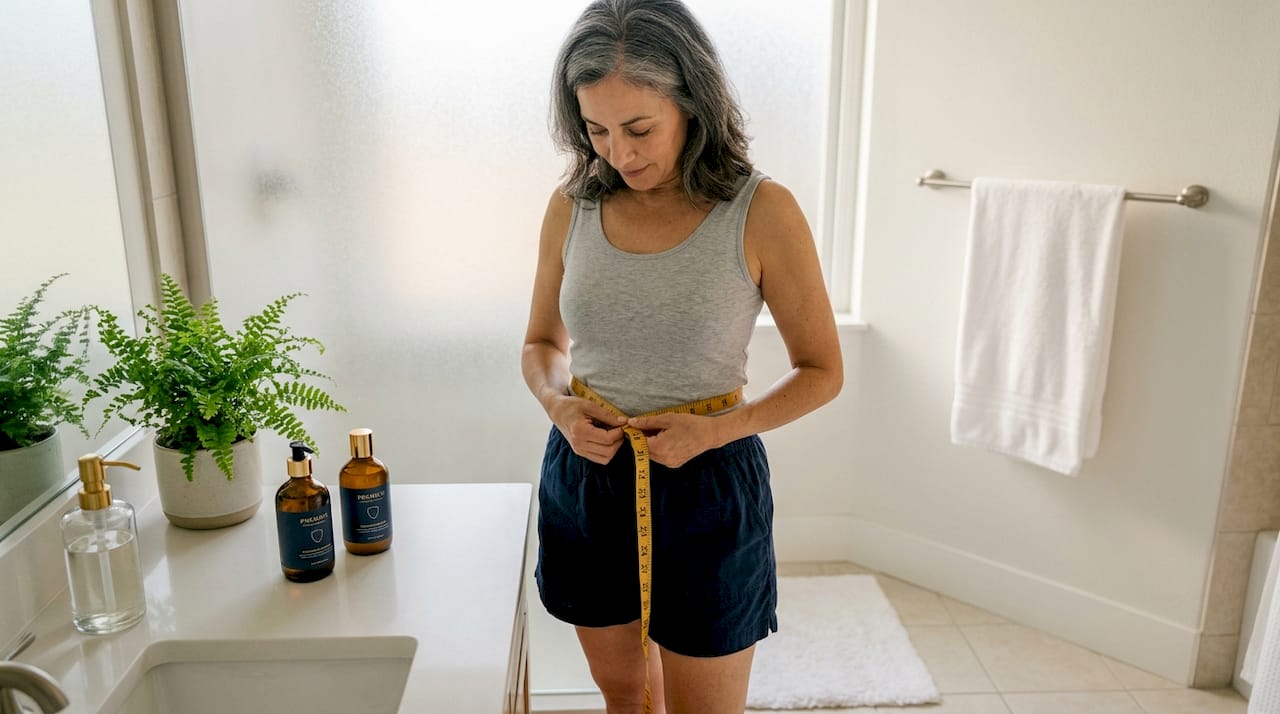
Waist-to-height ratio takes this further. Dividing your waist circumference by your height accounts for body size differences. A ratio above 0.5 is associated with elevated metabolic risk across most populations, regardless of absolute weight.
Body fat percentage tells you what fraction of your total weight is fat tissue. Healthy ranges vary significantly:
| Category | Men (healthy range) | Women (healthy range) |
|---|---|---|
| Athletes | 6–13% | 14–20% |
| Fitness | 14–17% | 21–24% |
| Acceptable | 18–24% | 25–31% |
| Obese | 25%+ | 32%+ |
Lean muscle mass is the metric most people ignore and most physicians underemphasize. Muscle is metabolically expensive tissue. More of it means a higher resting metabolic rate, better insulin sensitivity, and stronger long-term weight maintenance. Losing muscle while losing weight is a common and costly mistake.
Here is a practical monitoring sequence to follow:
- Measure waist circumference monthly under consistent conditions (morning, before eating)
- Track body fat percentage every 4 to 6 weeks using a reliable method
- Monitor lean mass trends, especially if you are in a calorie deficit or on medication
- Log health assessment metrics consistently to identify patterns rather than reacting to individual readings
- Review trends with a physician every 3 months to contextualize the data
Pro Tip: Take all measurements at the same time of day, ideally in the morning after using the restroom and before eating or drinking. Even a single large meal or intense workout can shift readings by several percentage points.
How body composition is measured: methods and accuracy
Knowing which metrics matter is only useful if you can measure them reliably. The methods range from clinical-grade precision to practical home tools, each with real tradeoffs.
DXA scans (dual-energy X-ray absorptiometry) are the gold standard. A DXA scan uses two low-dose X-ray beams to differentiate bone mineral density, lean tissue, and fat mass with precision. DXA scans measure fat distribution and muscle mass precisely, making them the most detailed body composition tool available outside of research settings. They are particularly valuable for tracking changes over time in patients using medications that affect body composition.
Bioelectrical impedance analysis (BIA) sends a small electrical current through the body. Fat conducts electricity differently than muscle and water, so the device estimates body composition from the resistance. BIA is convenient and increasingly available in consumer smart scales. The limitation is sensitivity to hydration. BIA accuracy varies with hydration status, so standardizing conditions and tracking trends rather than absolute values gives more reliable insight.
Tape measurements are low-tech but genuinely useful. Waist circumference, hip circumference, and waist-to-hip ratio require nothing more than a flexible tape and consistency. They are particularly good for tracking visceral fat trends in between clinical assessments.
Key factors that affect measurement reliability:
- Time of day and fasting status
- Hydration level (especially for BIA)
- Recent exercise (can temporarily shift fluid distribution)
- Consistency in measurement location and technique
- The specific device or protocol used
For physician-supervised body composition management, combining periodic DXA scans with regular at-home BIA measurements gives both precision and practical tracking frequency.
Pro Tip: If you use a smart scale for BIA measurements, weigh yourself at the same time every day for at least two weeks before drawing any conclusions. The trend line matters far more than any individual reading.
Why monitoring body composition matters during weight management
This is where the importance of measuring body fat becomes most tangible. Weight loss programs are not all equal. You can lose 20 pounds and end up metabolically worse off if a significant portion of that loss came from muscle rather than fat.
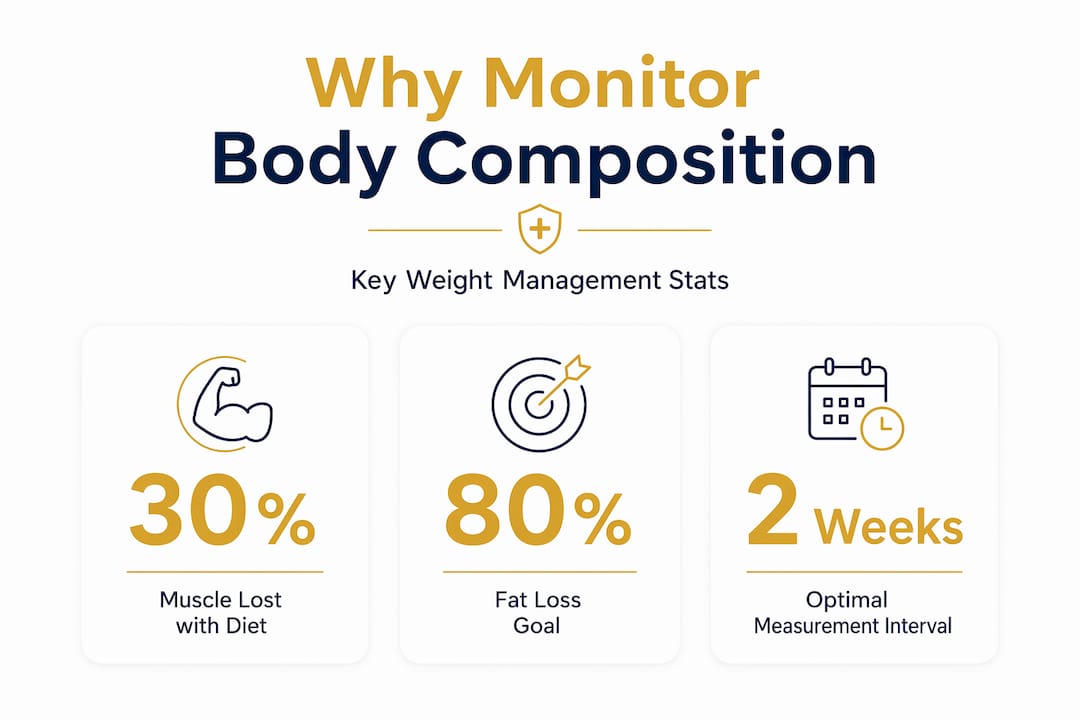
Muscle loss during calorie restriction is a well-documented problem. When the body is in an energy deficit, it breaks down muscle tissue for fuel alongside fat. The result is a lower resting metabolic rate, meaning you burn fewer calories at rest. This is a primary driver of weight regain after dieting. Without body composition monitoring, you have no way to know if this is happening.
The stakes are particularly high for people using GLP-1 medications (glucagon-like peptide-1 receptor agonists, a class of medications that reduce appetite and promote fat loss). These medications can drive rapid weight loss, but tracking body composition during GLP-1 use helps distinguish fat loss from muscle loss, which directly supports better long-term outcomes.
Here is a practical monitoring sequence for active weight management:
- Establish baseline body fat percentage and lean mass before starting any program
- Reassess every 4 to 6 weeks, not just monthly weight check-ins
- If lean mass is dropping, adjust protein intake and resistance training immediately
- Use waist circumference as a weekly proxy for visceral fat changes
- Work with a physician to interpret trends in the context of your specific medications and health history
"The goal of weight loss is fat loss. Without monitoring body composition, you are flying blind on whether you are actually achieving that goal."
Tracking GLP-1 medications and body composition together gives you the feedback loop needed to protect muscle, adjust nutrition, and make the weight loss sustainable rather than temporary. For long-term success, understanding the principles behind weight loss and body composition is just as important as the treatment itself.
Practical tips for effectively monitoring and optimizing your body composition
Understanding body composition metrics is one thing. Building a consistent monitoring practice is another. Here is what actually works for health-conscious adults managing their body composition over the long term.
- Standardize everything. Same time of day, same hydration state, same device. Variability in conditions creates noise that obscures real progress.
- Track at least three metrics. Waist circumference, body fat percentage, and lean mass together give a far more complete picture than any single number.
- Use technology strategically. Smart scales with BIA, health apps that log trends, and wearables that track activity all support more informed decisions. The data is only useful if you review it regularly.
- Do not react to daily fluctuations. Body weight can shift 2 to 5 pounds in a single day from water, food volume, and hormonal changes. Weekly averages and monthly trends are what matter.
- Get professional assessments periodically. Home tools are useful for tracking, but a DXA scan or a physician-reviewed assessment every 6 to 12 months provides the calibration point that keeps your home data meaningful.
Experts recommend combining measurements and tracking trends over time rather than relying on single values to assess health and progress. This is not just best practice. It is the only approach that gives you actionable information.
For anyone using medications or managing specific health risks, a weight loss and body composition guide grounded in medical supervision makes the difference between guessing and knowing. Choosing safe weight loss treatments also requires baseline body composition data so your physician can personalize the approach.
Pro Tip: Photograph your waist measurement tape placement once so you always measure the same location. Inconsistent tape placement is the most common source of error in home circumference tracking.
The overlooked value of nuanced body composition monitoring
Here is what most health content gets wrong about body composition tracking: it frames the goal as hitting a target number. Get your body fat below 20%. Get your waist under 35 inches. Reach your goal weight.
That framing misses the point entirely.
Body composition monitoring is not about arriving somewhere. It is about understanding a dynamic system that changes with age, stress, sleep, hormones, medications, and training. True progress in fat loss programs depends on understanding changes in fat mass versus lean mass over time, not just the number on the scale. A physician looking at your body composition trends over 12 months sees something completely different from someone looking at a single weigh-in.
The adults who get the most from body composition monitoring are not the ones who obsess over individual readings. They are the ones who build a consistent data record and work with a clinician who can interpret that record in the context of their full health picture. Hormonal shifts, metabolic changes, medication effects, and lifestyle factors all interact. No app can account for all of that without clinical context.
This is exactly why physician-supervised health protocols are not a luxury for people serious about body optimization. They are the mechanism that turns raw data into decisions that actually improve your health. The advantages of body composition analysis multiply when someone with clinical expertise is helping you read the story behind the numbers.
Discover medically supervised body composition optimization with Grown Up Meds
If you have spent time tracking weight without seeing the results you expected, the missing piece is likely a clearer picture of what your body is actually doing at the compositional level.

Grown Up Meds connects you with licensed physicians who specialize in body composition, metabolic health, and weight optimization. Start with a personalized health assessment that goes beyond BMI to evaluate the metrics that actually drive your results. From there, you can access GLP-1 medication programs designed to maximize fat loss while protecting lean mass, all tracked with ongoing physician oversight. For men looking to address hormonal factors that affect body composition, men's vitality optimization programs address the full picture. Every protocol is built around your data, not a generic template.
Frequently asked questions
Why is body composition a better health indicator than weight alone?
Body composition reveals fat distribution and muscle mass, which weight alone or BMI cannot, helping identify hidden health risks like visceral fat that increase disease risk. Body weight or BMI can hide unhealthy fat distribution even when values appear normal.
How can I accurately track my body composition at home?
Consistently use tools like smart scales or tape measurements under similar conditions and focus on trends over time rather than single readings, complemented by periodic professional assessments. Standardizing measurement conditions significantly improves the reliability of BIA-based home tracking.
Why should people on GLP-1 medications monitor body composition besides weight?
Monitoring body composition helps ensure fat loss rather than muscle loss, which preserves metabolism and supports sustainable weight management during GLP-1 treatment. Tracking body composition during GLP-1 use helps distinguish fat loss from muscle loss and guides timely adjustments to diet and exercise.
What waist circumference indicates increased health risk?
A waist circumference of 40 inches or more for men and 35 inches or more for women is linked to higher cardiometabolic risk, signaling the need for closer body composition monitoring. Waist circumference predicts cardiometabolic risk more accurately than weight or BMI, with these sex-specific cutoffs guiding clinical decisions.